
Commercial Development in Huntingdale: What Builders Need to Know Before Breaking Ground
By Clara Hastings / May 29
Have you ever stood in a wine aisle, overwhelmed by your choices? Understanding red wine tasting can transform that daunting experience into an enjoyable journey of discovery. Let’s explore the vital insights that will enhance your appreciation for red wines!
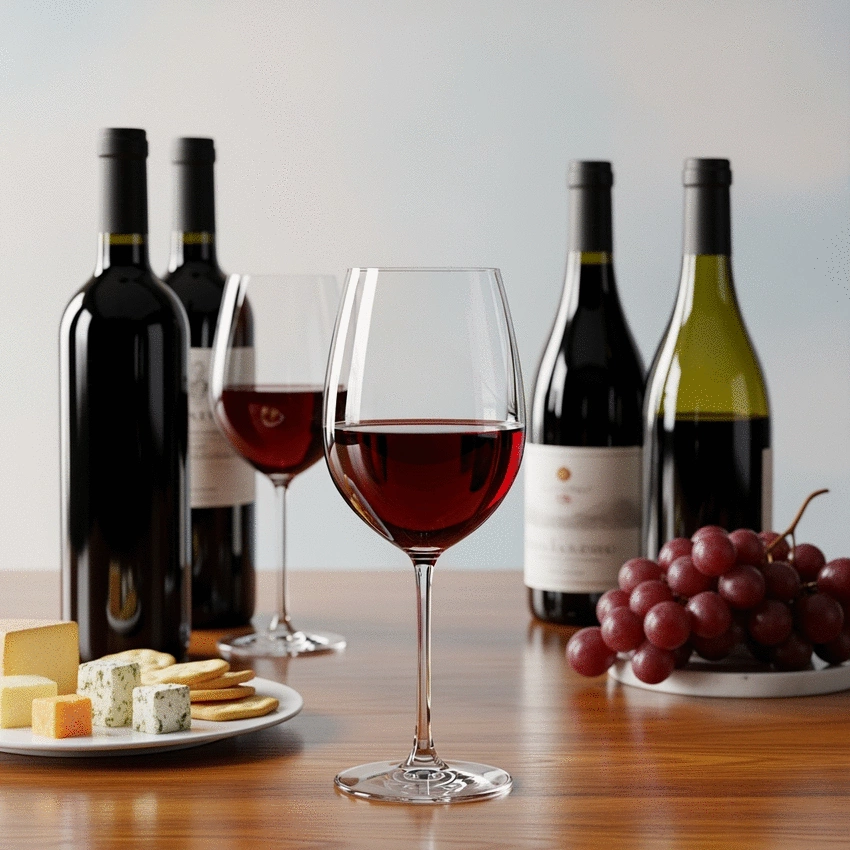
This visual outlines the structured approach to tasting red wine, breaking it down into key stages and benefits, as discussed in the article.
Have you ever wondered why red wine tasting is such an art form? It's not just about enjoying a glass; it's a journey that opens the door to understanding the complexities of each varietal. In my experience with Red Wine Hub, I’ve found that the most rewarding moments come from appreciating the nuances in flavor, aroma, and even the texture of the wine. So, let’s dive into why this journey matters, especially for beginners!
The benefits of wine tasting extend beyond the glass. Engaging in this process can enhance your palate, deepen your appreciation for quality wines, and even improve your social experiences. By understanding how to taste red wine, you’ll be able to share insights with friends and make more informed choices when selecting your next bottle. Research highlights that sensory perception in wine tasting is crucial, influencing consumer preferences and enjoyment. Isn’t that something to toast to?
As you embark on this tasting journey, keep in mind that it's about exploration and enjoyment. Each sip offers a new experience, whether you're savoring a bold Shiraz or a smooth Pinot Noir. The more you taste, the more you'll learn to appreciate the different attributes of red wines!
This guide is crafted to empower you with the knowledge and practical skills needed to taste red wine like an expert! At Red Wine Hub, our mission is to make the world of red wine accessible and enjoyable for everyone—from novices to seasoned enthusiasts. You'll not only learn the steps to evaluate wine critically but also how to appreciate the art behind it. Understanding modern wine tasting methods can significantly enhance your experience, allowing you to articulate your preferences with greater confidence.
By the end of this guide, you’ll feel more confident in your tasting abilities, able to articulate what you enjoy about each varietal, and engage in meaningful conversations about wine. Let’s get started on this flavorful adventure! Cheers to learning and sipping!
Now that we've covered the importance of red wine tasting, it’s time to roll up our sleeves and dive into the step-by-step process of tasting red wine like a pro. This structured approach will help you refine your skills and enhance your enjoyment. So, grab your favorite glass and let’s begin!
When tasting red wine, take a moment to let it breathe before your first sip. Pouring the wine into a glass and letting it sit for at least 15-30 minutes can significantly enhance its aromas and flavors. This simple step allows volatile compounds to evaporate and the wine to open up, revealing its true character. Cheers to discovering new depths in your favorite varietals!
Red wine tasting helps beginners develop their palate, understand the complexities of different varietals, and make more informed choices. It also enhances social experiences and appreciation for quality wines.
The four essential steps are: Visual Assessment (observing color and clarity), Aromatic Exploration (swirling to release scents), Tasting (focusing on sweetness, acidity, tannins), and evaluating The Finish (the lingering aftertaste).
Shiraz (bold, spicy), Pinot Noir (lighter, fruitier), and Cabernet Sauvignon (rich, full-bodied) are excellent choices for beginners to start their tasting journey.
Proper food pairing can elevate your dining experience by complementing and enhancing the flavors of both the wine and the dish. For example, Shiraz pairs well with grilled meats, and Pinot Noir with roasted chicken.
You can explore books on wine appreciation, online courses, wine events, and local tastings. Joining a wine club is also a great way to discover new wines and connect with other enthusiasts.
As we wrap up our exploration of red wine tasting, it’s essential to reflect on the key takeaways that will help you on your journey. Understanding the fundamentals of red wine tasting not only enhances your appreciation but also allows you to engage more deeply with every glass you pour. Here’s a quick summary of the critical steps you should keep in mind:
These steps are your foundation for tasting. As you practice, you’ll find your palate evolving, and your ability to articulate what you’re experiencing will grow. Remember, it’s all about enjoying the process!
Wine tasting is a delightful journey best enjoyed with friends! I encourage you to practice these steps regularly and share your experiences with fellow wine lovers. Whether you’re gathering for a tasting event or simply enjoying a bottle with dinner, discussing your impressions can add a rich layer to the experience. Consider organizing a small tasting party where everyone brings a bottle of their favorite red. It's a wonderful way to learn together and discover new favorites!
Additionally, don’t hesitate to reach out to the Red Wine Hub community. I love hearing about your discoveries, and together we can deepen our appreciation for the nuances of Australian red wines!
Embarking on your red wine tasting adventure? Here are some fantastic beginner-friendly options that I personally recommend:
These varietals are not only approachable but also showcase the diversity of red wines available in Australia. You can find these wines at your local retailer or winery!
Pairing wine with food can elevate your dining experience to new heights. Here are some simple pairing guidelines:
Experimenting with different pairings can lead to delightful discoveries, so don’t be afraid to try new combinations at your next meal! The science behind food and wine pairing explores how flavors interact, offering insights into creating perfect culinary harmonies.
If you're ready to dive deeper into the world of red wines, consider exploring these resources:
These resources can provide valuable insights and enhance your confidence as you explore the rich world of red wines.
Joining a wine club can be a fantastic way to expand your palate. Clubs often curate selections that introduce you to new wines based on your preferences. Additionally, attending local tastings is a great opportunity to interact with experts and meet fellow wine enthusiasts. I always find that sharing a glass of wine with others leads to the best conversations!
Finally, understanding wine classifications and labels can greatly enhance your wine shopping experience. Familiarize yourself with terms like “Old Vine,” “Reserve,” and various regional classifications. This knowledge will empower you to make informed choices and find wines that suit your taste. Next time you're standing in that wine aisle, you'll have the confidence to select a bottle that really excites you!
So, pour yourself a glass, and let’s toast to your newfound knowledge in the wonderful world of red wine tasting! Cheers!
Here is a quick recap of the important points discussed in the article:
By Clara Hastings / May 29
By Clara Hastings / Nov 02
By Clara Hastings / Nov 02